
Why Active Supervision Matters in Childcare

When you walk into a childcare centre for the first time, you are not just looking at the rooms or the toys. You are watching how the adults move, where they position themselves, and how they respond to the children around them. Most parents do this instinctively, even if they do not realise it.
This is where active supervision really shows up. It plays a big role in keeping children safe, but it also shapes how children learn, feel confident, and connect with others throughout the day.
What active supervision actually means
Active supervision is not about standing back and watching from a distance. It is about educators staying close enough to notice what is happening and step in when support is needed.
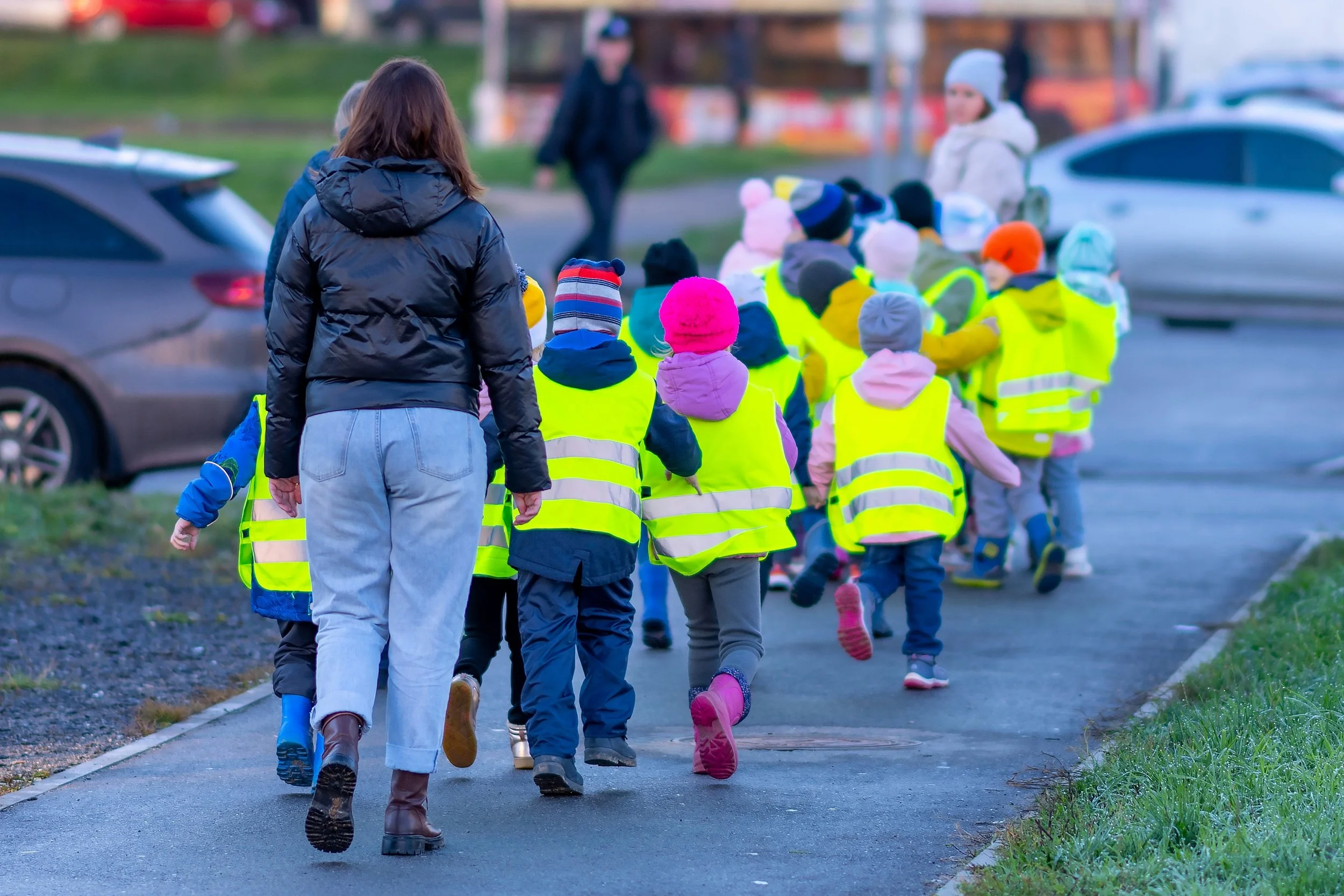
You will often see educators positioned where they can see and hear the whole room. They move with the children as play changes, regularly scan the environment, and respond early if something needs attention. This helps prevent accidents and also helps children feel seen and supported.
In a well-supervised space, children know there is an adult nearby who is paying attention, even if they do not need help in that moment.
Why active supervision matters so much
When educators stay engaged, children feel safer to explore. They’re more willing to try new things, solve small problems, and interact with others. This is how confidence grows.
Active supervision supports social skills, emotional skills, and problem-solving because educators are close enough to guide moments as they happen. A small disagreement, a tricky climb, or a new activity becomes a learning opportunity instead of a stressful experience.
For parents, it also brings peace of mind. You can see that your child will not be overlooked in a busy room.Meet the Educators
This is the part that matters most. The people caring for your child set the tone for the whole day.
At Stepping Stones, you will meet Kiarra, the Centre Manager, who has been part of this community for more than 10 years. Her stability, experience, and understanding of families are a huge strength. Ask her about the team, how long educators have been here, and how they help new children settle.
Pay attention to how educators interact with children as you walk through. You want to see warm communication that builds trust, supports social and emotional growth, and helps children develop strong social skills.
What to watch for during a childcare tour
A tour gives you the best insight into how supervision works day to day. As you walk through the centre, notice where educators are positioned and how they interact with children.
Are educators sitting with children during play or standing off to the side. Do they make eye contact, speak with children, and respond when something changes? Are they aware of what is happening across the room, not just directly in front of them?
At Stepping Stones, educators stay close during play and routines so children feel supported without being hovered over. You will often see educators at the children’s level, listening, guiding play, and responding calmly when support is needed.
How active supervision supports learning, not just safety
Active supervision doesn’t stop children from exploring. It actually helps learning happen more naturally.
When educators are nearby, they can notice when a child is stuck, when an activity needs adjusting, or when a child is ready for the next challenge. These small moments support children's learning, motor skills, and confidence without interrupting play.
Children learn best when they feel safe enough to take small risks and know someone is there if they need help.
How active supervision supports inquiry-based learning
Inquiry-based learning is a key part of the curriculum at Stepping Stones. It is built around the idea that children learn best when their interests, questions, and ideas are taken seriously.
This approach relies on educators being present and attentive. Active supervision allows educators to listen closely, notice what children are curious about, and respond in ways that extend learning. Instead of directing play, educators ask open questions, make observations, and start conversations that help children think more deeply.
A simple moment, like building with blocks, exploring outdoors, or working through a small challenge, can turn into meaningful learning when an educator is nearby and engaged. By listening, asking questions, and supporting children as they explore, educators help build problem-solving skills, language skills, and confidence in ways that feel natural.
At Stepping Stones, inquiry-based learning and active supervision work together. Educators stay close so they can support children in the moment, guide conversations, and help learning grow from the child’s own interests rather than following a fixed script.
How the environment makes supervision easier
The way a room is set up makes a big difference. Clear sight lines, defined play areas, and uncluttered spaces help educators see what is happening and move easily between children.
The learning spaces at Stepping Stones are designed to support visibility and calm movement throughout the day. Children can move freely, and educators can stay aware without constantly interrupting play.
Questions parents often ask on a tour
Parents often ask how educators manage supervision during busy times, how children are supported without limiting independence, and how supervision changes as children grow.
These are good questions to ask. A confident centre will welcome them and explain exactly how the team works together to keep children safe and supported.
Why supervision matters when choosing a centre
Understanding supervision helps you feel more confident in your choice. It shows how safety, care, and learning come together in everyday moments.
Seeing active supervision in action during a tour often reassures parents in a way no policy document ever could. If you would like to see how it works in real time, you’re welcome to contact our team or book a tour and walk through the centre yourself.
