
Bush Kindy & Child-Led Play: How Outdoor Learning Benefits Gungahlin Kids
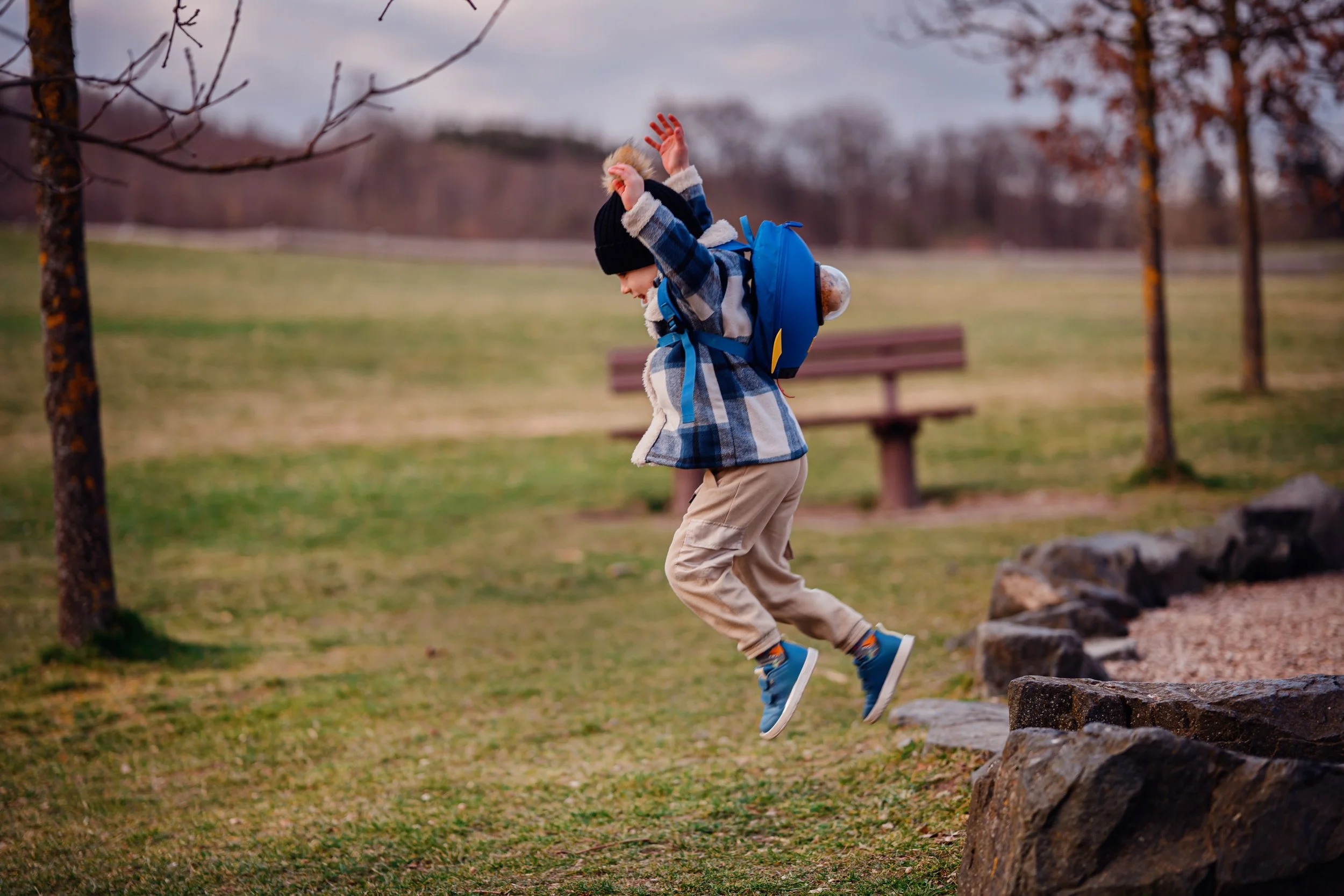
There is something brilliant about watching kids figure things out outside. Whether they are crouched down watching a line of ants, trying to balance on a wobbly log, or committing completely to jumping in a muddy puddle, the outdoors offers a classroom that you just can't replicate indoors.
For parents in Gungahlin and across the ACT, finding a childcare environment that values this kind of real, messy, hands-on experience is a top priority. At Stepping Stones, we know that early education happens way beyond the four walls of a playroom. By leaning into the ideas behind Bush Kindy and child-led play, we are helping raise kids who are resilient, curious, and confident in their own abilities.
Here is a closer look at what outdoor learning actually means for your child's day-to-day development, and why it forms the foundation of our dedicated Bush Kindy program.
What is Bush Kindy? Nature-Based Learning in Canberra
If you haven't heard the term before, Bush Kindy is an approach to early childhood education that simply takes the learning outside. Instead of relying on plastic toys or structured playground equipment, kids spend time in unstructured natural environments. It is all about interacting with the raw elements-dirt, trees, rocks, water, and whatever the local ACT weather decides to throw at us.
We live in a busy, screen-heavy world, and it is entirely normal for children to spend a big chunk of their week inside. Bush Kindy offers a much-needed reset. It trades the predictable indoor routine for a rich, sensory-heavy environment. Out here, the ground isn't perfectly flat, the textures are always changing, and there is always something new to look at.
Living in the "Bush Capital" means we are spoiled for choice. The unique climate and massive green spaces make a Bush Kindy Canberra program incredibly rewarding. From rugging up on a crisp, frosty Canberra morning to finding shade under the trees in spring, being outside in all seasons teaches kids adaptability and gives them a genuine appreciation for the environment right in their own backyard.
Understanding Child-Led Learning vs. Teacher-Directed Play
At the core of our outdoor time is child-led learning. In plain terms, this means we let the kids take the wheel. Instead of an educator deciding exactly what the group is going to do and how they are going to do it, the children's natural curiosity guides the play. Our educators are right there with them, but their job is to ask questions, support the kids' ideas, and turn those moments into deeper learning experiences.
This approach goes hand in hand with inquiry-based learning. Imagine a child exploring the reserve near Yerrabi Ponds who spots a weird waterbug or a colourful bird. In a rigid, adult-directed environment, they might be told to hurry up and rejoin the group. In a child-led environment, our educators use that spark. We stop, look at the bug, talk about where it lives and what it eats, and suddenly a walk becomes a mini lesson in local science and ecology.
When adults control every step of a game, kids just learn how to follow instructions. But when kids lead the play—like figuring out how to build a cubby from fallen branches or how to make water flow down a dirt channel—they build internal motivation. They learn to trust their own ideas and develop problem-solving skills they will use for the rest of their lives.
The Key Benefits of Nature Play for Early Childhood Development
Taking the kids outside isn't just about burning off energy before nap time, though that is definitely a bonus! Years of early childhood research show that nature play has massive developmental benefits. When children are free to explore natural spaces, they grow in a few specific ways:
1. Risk Assessment & Resilience
Nature doesn't have soft-fall rubber mats. The ground is bumpy, rocks are slippery, and branches can snap. Learning how to navigate uneven ground or climb over a large log in a safe, supervised space is incredibly important for toddlers and preschoolers. By taking on these small, manageable physical challenges, kids learn to assess their environment, understand their limits, and bounce back after a minor tumble.
2. Physical Health & Gross Motor Skills
The outdoors is the best gym a child could ask for. Running, balancing, jumping, and lifting heavy things like thick branches build up crucial gross motor skills and physical strength. It also supports fine-motor skills; picking up tiny pebbles, snapping small twigs, or threading leaves together requires focus and coordination that prepare their hands for holding pencils later on.
3. Emotional Self-Regulation
Research shows that being in nature calms the human nervous system. If a child feels overwhelmed, anxious, or full of big feelings, getting outside often hits the reset button. The open space reduces noise and overstimulation, making it easier for children to catch their breath, regulate their emotions, and refocus.
4. Social Collaboration
Because nature doesn't come with an instruction manual, kids have to figure things out together. Unstructured outdoor play naturally pushes children to work as a team. If they want to build a big stick shelter or dig a trench in the mud, they have to communicate. They learn how to share ideas, negotiate with their friends, and compromise—all vital social skills for big school and beyond.
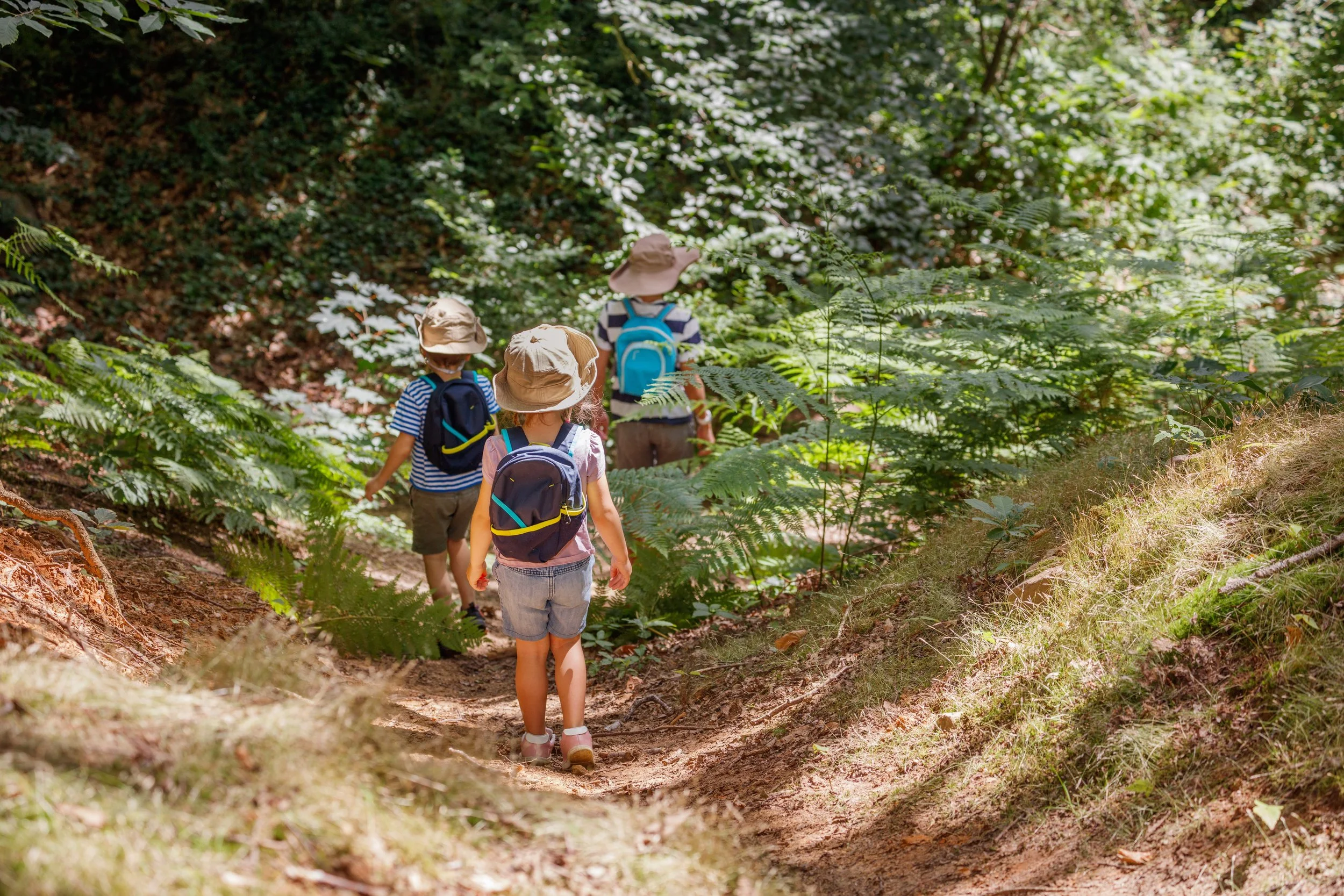
How Stepping Stones Brings Bush Kindy to Life at Yerrabi Ponds
We don't just talk about the value of nature play; we build it into everything we do. Because we are located right next to the water and reserves, our Early Learning Centre Yerrabi Ponds team has the massive advantage of making the natural world part of our daily routine. The local ducks, the changing trees, and the pathways are essentially an extension of our play spaces.
As a family-owned early learning centre, we also keep things personal. We run smaller, tight-knit groups, which means our educators can keep a very close, active eye on the children while still giving them the physical space they need to explore without feeling crowded.
All of this outdoor play feeds straight into our preschool and school readiness goals. A child who can negotiate a game in the dirt with three friends and figure out how to climb a tricky log is ready to tackle a busy kindergarten classroom. You can read more about how we tie all these ideas together on our educational approach page.
How to Prepare Your Child for Outdoor Learning in Canberra
We know sending your child into nature can mean a few extra loads of washing! But around here, we have a saying;
“Dirty hands mean active minds.”
When your child comes home with mud on their pants or sand in their shoes, it means they were engaged, active, and learning all day.
To keep your child comfortable and ready to get the most out of our outdoor days, pack for the weather. Canberra is famous for its extreme seasons, so preparation is everything:
For the freezing Canberra Winters: Layers are your best friend. Thermal singlets, thick polar fleece, waterproof jackets, and warm socks are a must to keep the chill away.
For wet days: A solid pair of gumboots and a splash-suit or raincoat mean the puddles are fair game.
For the hot Summers: Sun safety comes first. Pack lightweight clothes that cover the shoulders, a broad-brimmed hat, and make sure they have a base layer of SPF 50+ sunscreen on before you drop them off.
Come Explore Nature with Stepping Stones Canberra
If you are a parent looking for a childcare centre that actually lets kids be kids, we would love to meet you. For families exploring Yerrabi Ponds childcare or checking out childcare Gungahlin options, the best way to understand how we do things is to come and see the outdoor spaces for yourself.
Give your child a start that includes exploring, getting a little messy, and growing in nature.
Want to see our outdoor philosophy in action?
